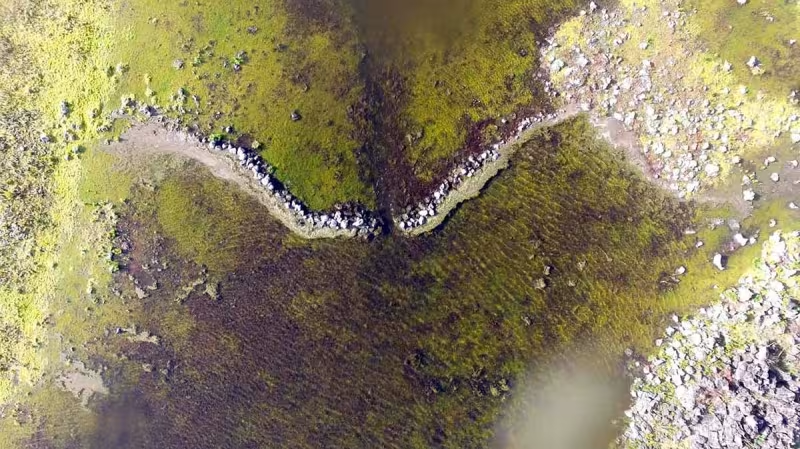
More than six millennia ago, the Gunditjmara people of modern Victoria (AUS) constructed a complex system of aquaculture to channel water into lowlying areas, to trap fish and eels, thus ensuring a year-round provision of fresh food for large groups.
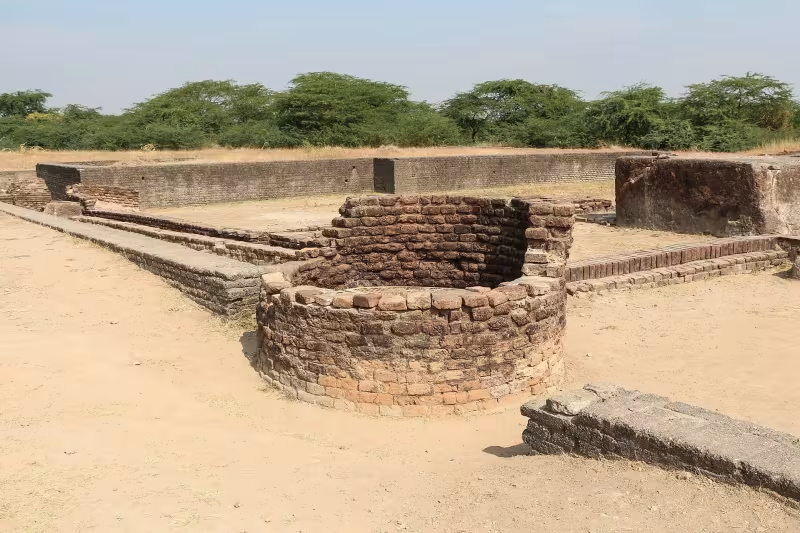
One of the wells in the escavation site at Lothal (Gujarat)
~2600 BCE
Indus Valley
Indus Valley sewage systems
Archeological findings at various sites across the Indus Valley reveal buildings connected to well developed underground waste-drainage systems, soak pits for individual dwellings and communal latrines feeding into dedicated drains.
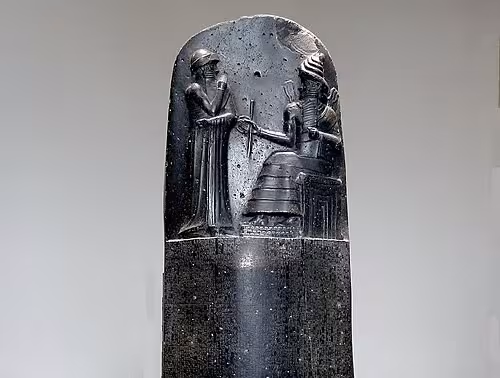
A stela carrying the Code of Hammurabi, currently at the Louvre
~1760 BCE
Babylonia
Hammurabi's Code and the regulation of the medical profession
Possibly the most famous legal text from antiquity, the Code of Hammurabi contains several laws pertaining to medical practice, setting fees and punishment for medical malpractice.
It is the earliest known example of a state-encoded and enforce code of medical conduct.
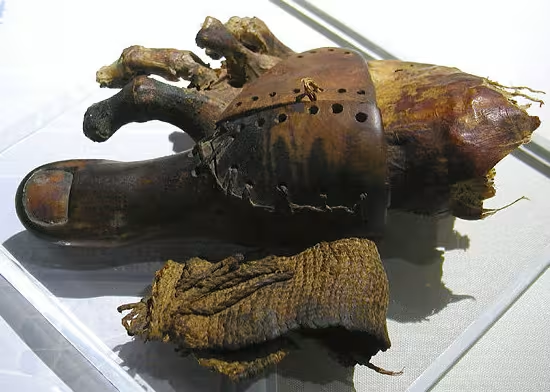
The Medical Ostraka of Deir el-Medina contain medical notes concerning the artisans working in the Valley of Kings.
These records show how the workers had access to trained physicians, who would assess their needs, write down prescriptions and noting reasons for absence from work, giving us one of history's earliest examples of state-sponsored occupational health.
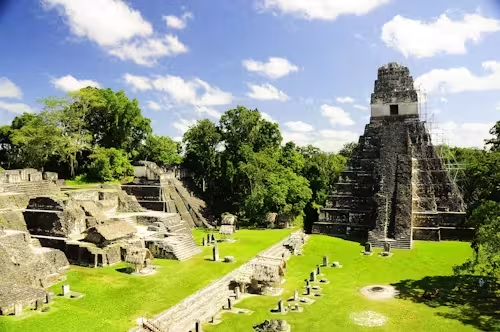
In the ancient capital of Tikal, Mayan engineer had constructed a sophisticated system of reservoirs, dams and even zeolite-based filtration to ensure safe drinking water for tens of thousands of residents.
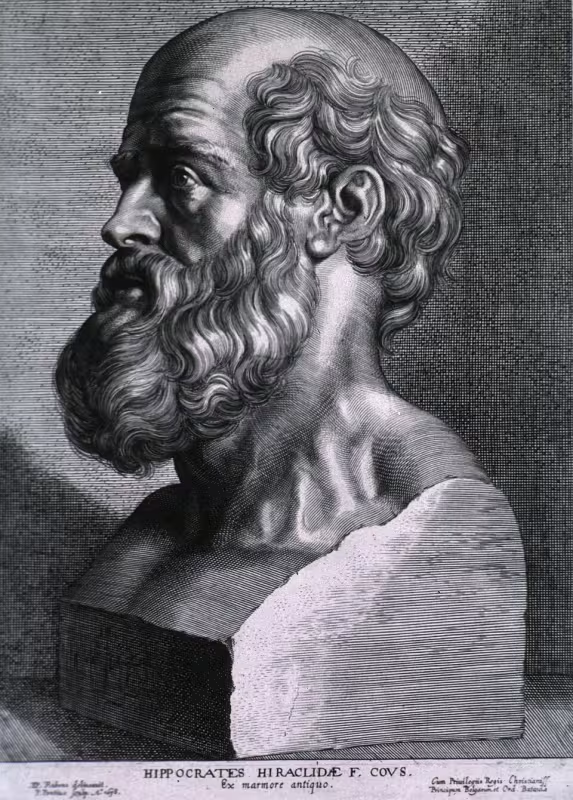
An engraving of Hippocrates, by Peter Paul Rubens, 1638
430-370 BCE
Classical Greece
Hippocrates
An early separator of medicine from religion, promoting the theory that disease was the product of environmental factors. His treaties highlight early precursors of the modern determinants of health, as well as the benefits of a balanced diet, in addition to his most famous legacy, the code of conduct for physicians known as the Hippocratic Oath.
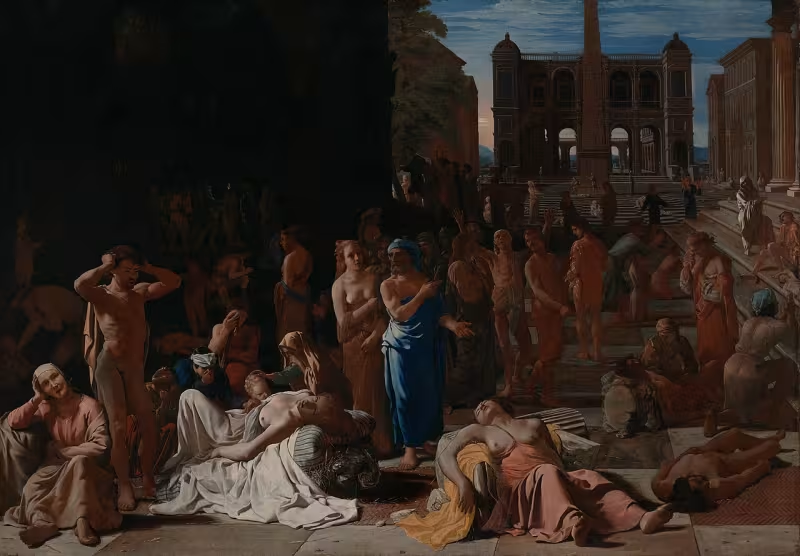
Plague in an Anciency City, by Michael Sweerts, circa 1650
430-426 BCE
Athens
The Plague of Athens
The Peloponnesian War had caused large numbers of refugees to find shelter within the walls of Athens, quadrupling the population to a density of up to 40000 inhabitants per square kilometer.
The combination of overcrowding and dwindling hygenic standards meant that plague arriving from overseas found a fertile ground, amist a population also suffering with vitamin deficiencies relating to their mainly grain-based diet.
It is estimated this plague killed up to 100000 people, or 25% of the city's population. It is one of history's earliest well-documented epidemics and the socio-political background allows us to see the connection between declining living standards and exposure to contagion.
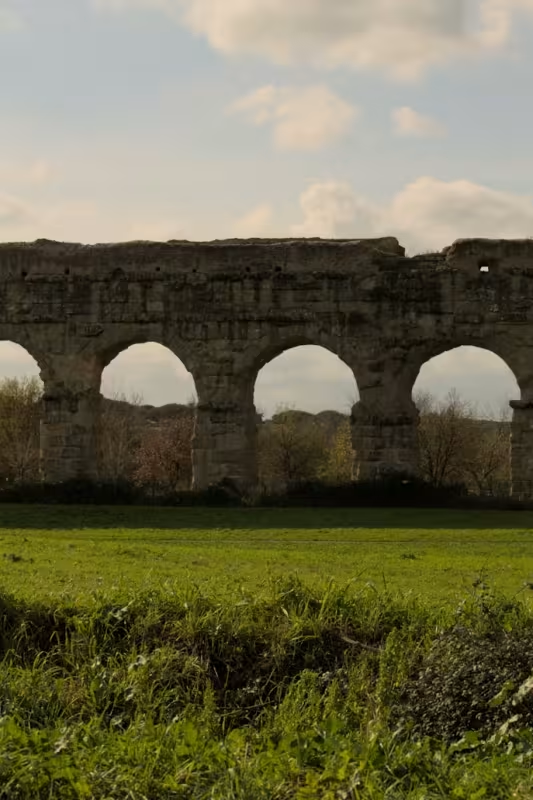
Roman acqueducts are still visible (and sometimes usable!) today, as testament to the quality of ancient egineering.
Less visible to modern eyes is the aministrative setup put in place as early as the republican time to manage the acqueducts, which included the Censor in charge, and an army of working patrols, responsible for clearing algal fouling and debris, repairing breaches, and removing accumulations relating to hard water.
Eventually, Augustus created the position of Curator Aquarum, a senior position of Consultar rank in the Roman administration responsible for the management of Rome's water supply. The Curator Aquarum also had the power to manage the trials of people accused of damaging aqueducts or sewers.
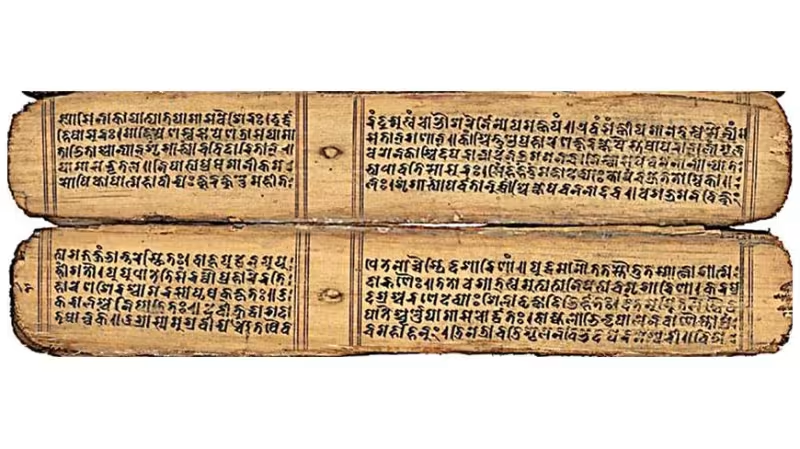
The Arthashastra, a compilation of Sankrit treatises spanning three centuries, covers statecraft, politics and public health.
Ayurvedic tradition identifies healthcare as one of governants' sacred duties and Arthashastra contains discussions about urban sanitations, penalties for polluting public spaces and regulation of markets, making it one of the earliest explicit links between governance and environemental health.
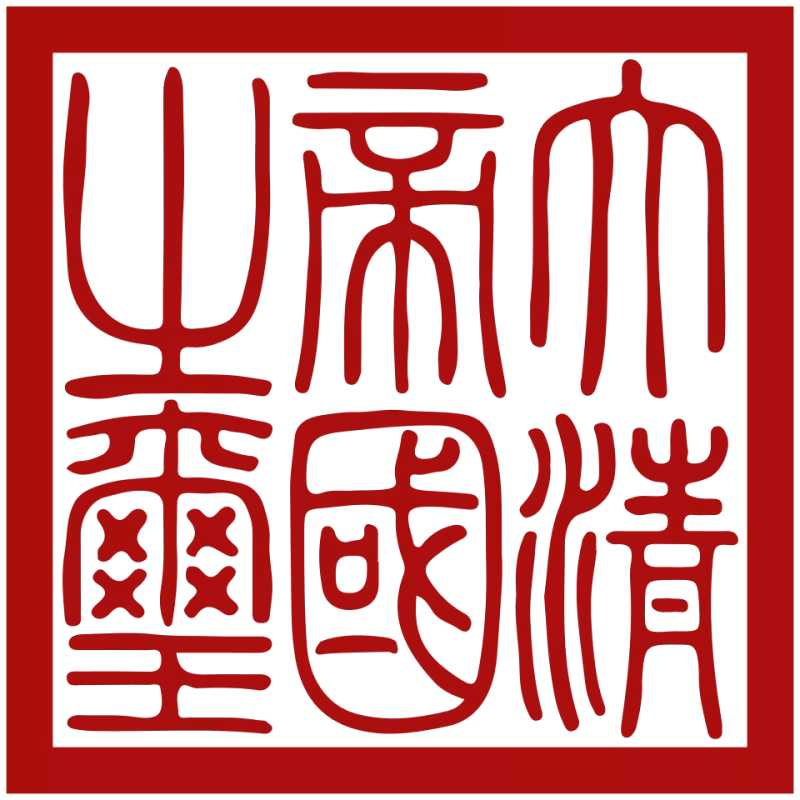
A system already in place at regional level since the 5th century BCE, during the Qing dynasty the changpingcang became a State-led effort to control grain prices and minimise the impact of bad harvest on food availability.
This policy saw the creation of granaries across the Empire and the state-sponsored purchase of grains during periods of overabundance. This stock would then be injected into the markets during periods of scarcity, to ensure food supply and maintain prices low.
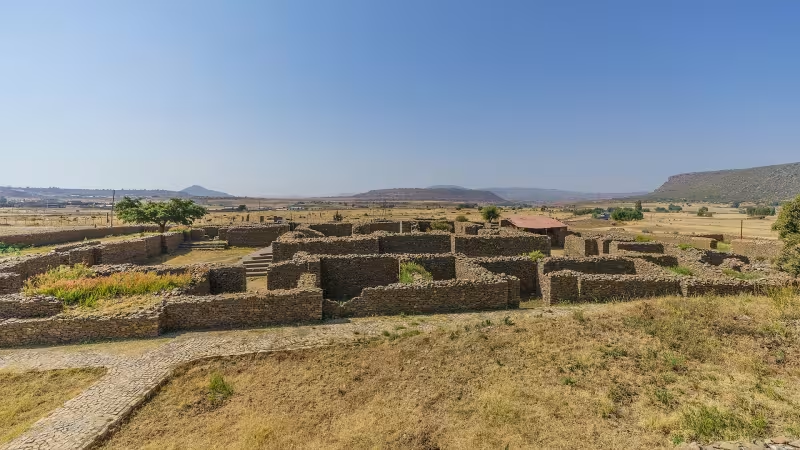
Up in the Alpine climate of the Ethiopian Highlands, the Aksoumite empire thrived thanks to a complex system of irrigation, damming and water conservation, capable of substaining one of the four great powers of the early Common Era.
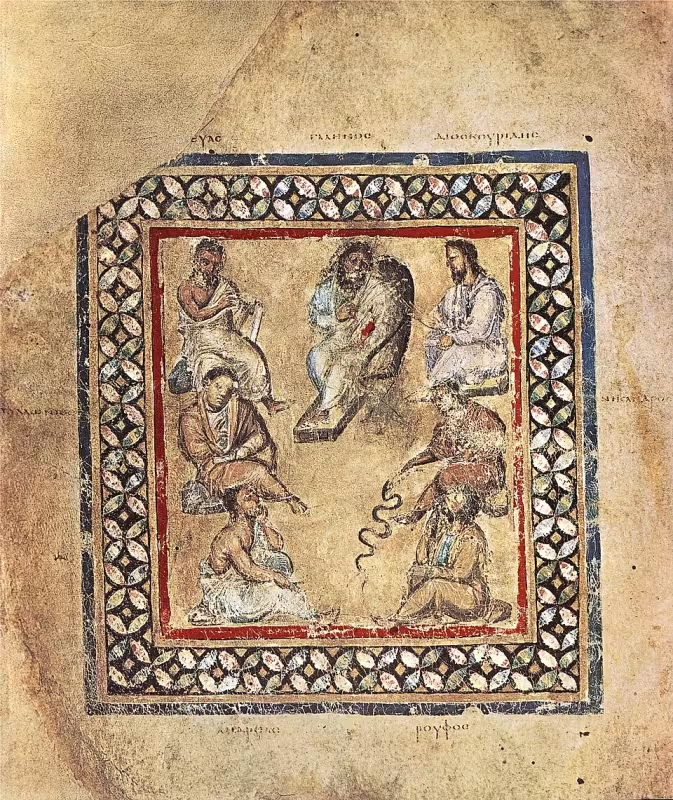
A group of physicians, including Galen, who was a witness to the Antonine Plague
165-180 CE
Ancient Rome
The Antonine Plague
The first known pandemic of the Roman Empire, it swept across the Roman Empire and it claimed up to 10 million casualties.
Erupting towards the end of the Empire's "golden age", Rome's success was a direct cause of the spread of the disease. The cities were overcrowded, Rome itself counting about one million inhabitants, a number even the excellent water-management system could not successfully support. Osteoanalysis indicates that the average Roman was shorter than people in pre-Roman Italy, indicating a lower quality of nutrition. The connectivity via land and see, one of the Empire's greatest prides and joys, made the transfer of the infection faster and easier than it was in more isolated regions.
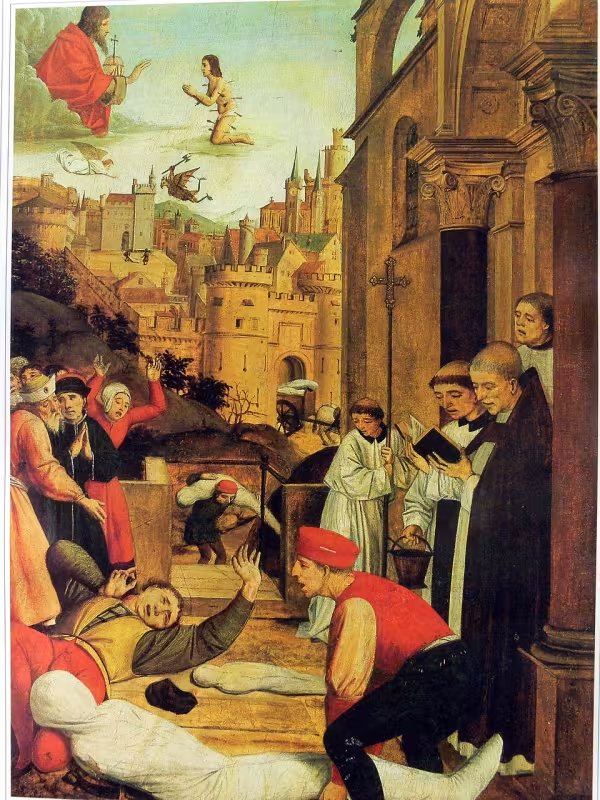
St. Sebastian pleads for the life of a victim of the plague of Justinian, Josse Lieferinxe, circa 1497
541-549 CE
Byzantine Empire
The Plague of Justinian
The onset of the first plague pandemic, the earliest documented appearance of Yersinia Pestis.
Dendrochronological and ice core analysis, alongside historical documentation, confirmed the existance of the Volcanic Winter of 536, a period of severe climactic cooling affecting the Northern Hemisphere. It is thought that the climactic variation would have affected food availability, vermin population and human migration, increasing susceptibility to the disease.
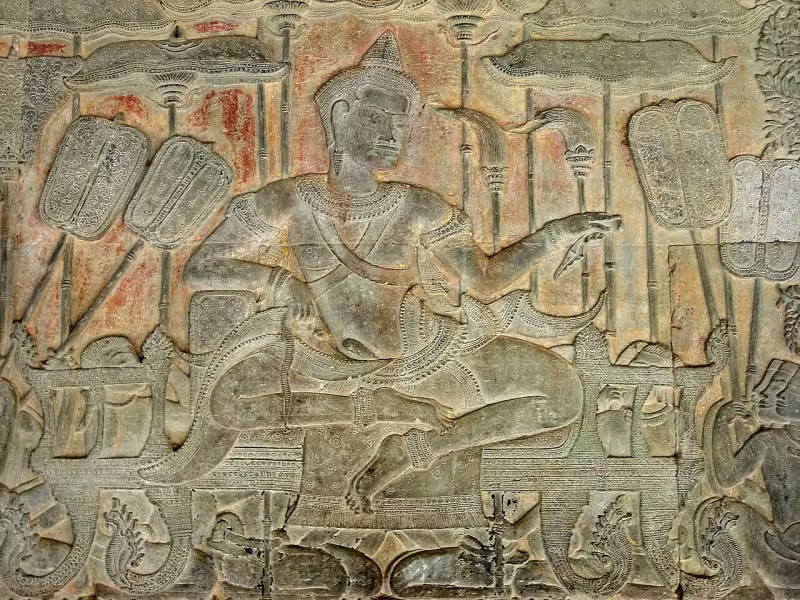
Suryavarman II, who ordered the construction of Angkor Wat
8th-13th century CE
Khmer Empire
Angkor's "hydraulic city"
The never-ending marvels of the ancient Khmer capital include a complicated water management network, extending from the Kulen Hills to the north-east, to Tonle Sap lake to the south.
This ensured a consistent water supply suitable for rice farming and discharging water accumulated during monsoon season. The scale and efficiency of Angkor's water management system was able to support the largest pre-industrial city in the world, with a population that peaked at 1 million.
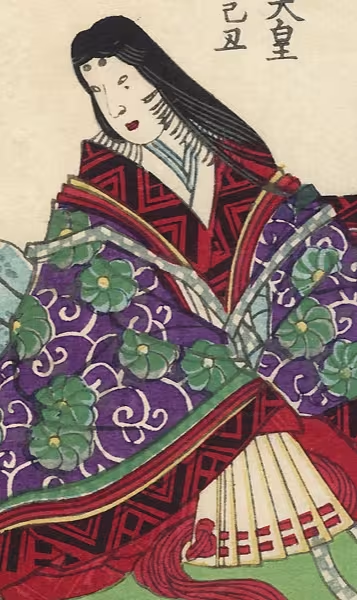
Empress Kōken, during whose reign the Yōrō Code was promulgated
757 CE
Nara
Japanese medical administration
The Yōrō Code from the early Nara period contains many mentions of departments (the Bureau of Medicine, the Office of Medicine, the Medicine Guild) and roles (professor of medicine, master of acupuncture, apothecary, professor of exorcism) and their position within the strict hierarchy of imperial administration.
This demonstrate the scrupulous codification of medical administration achieved in classical Japan.
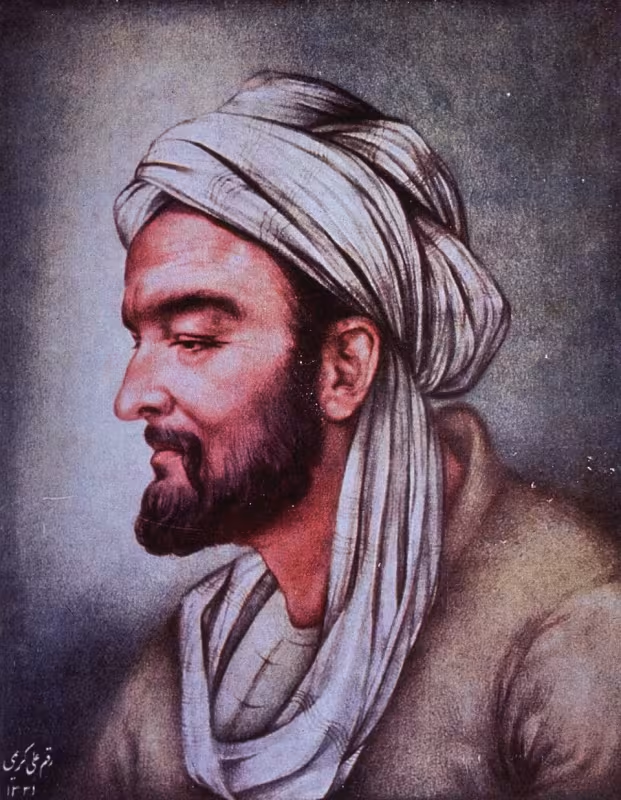
In The Canon of Medicine, Persian polymath Ibn Sina (known in the West as Avicenna), demonstrates a precocious understanding of infectious diseases, by documenting the necessity if solation to prevent the spread of tuberculosis. Ibn Sina famous medical texts and his oft-still-valid teachings earned him the title of "father of early modern medicine".
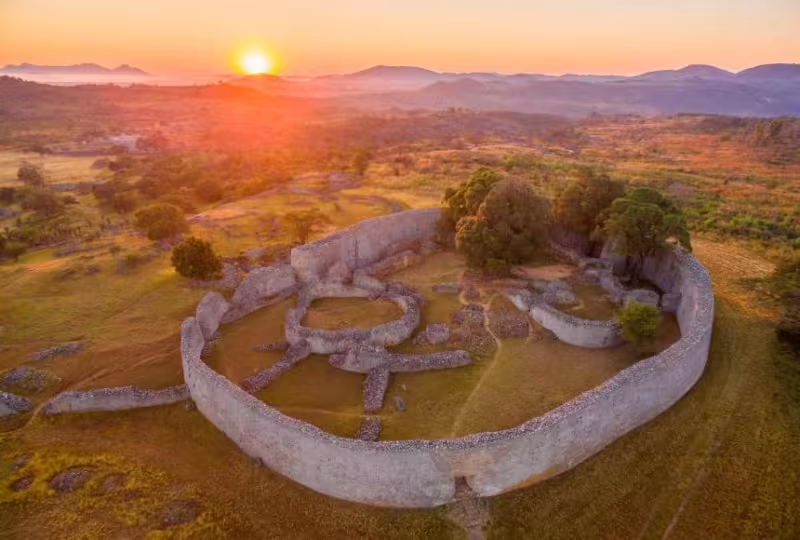
One of history's lesser known civilisation marvels, the city of Great Zimbabwe made wise use of naturally occurring depressions for water storage and harvesting. These pits were part of a city-wide water management system that made ingenious use of catchment hydrology and groundwater to secure water for subsistence, farming and ritual services.
The city of Timbuktu has survived against the Sahara for nearly one thousand years
13th-15th century CE
Timbuktu
Timbuktu: water harvesting in the desert
In a region with average annual rainfalls of less than 200mm, Timbuktu's exceptional inhabitants engineered a sophisticated system of water harvesting canals, extending to the floodplains of the mighty Niger river. This allowed seasonal inundations to reach the city and irrigate its rice fields.
Additionally, water was stored in underground reservoirs, and extracted from underground through permeable rock wells and aquifer tapping.
The Haudenosaunee Confederation (colonially known as the Iroquis League) have an oral constitution known as the Great Law of Peace. The Great Law identifies Health as one of its key principles.
A less direct connection to the modern concept of public health, it nontheless deserves a mention for its addressing of collective wellbeing and societal health as instrinsecately related to governance and social stability.
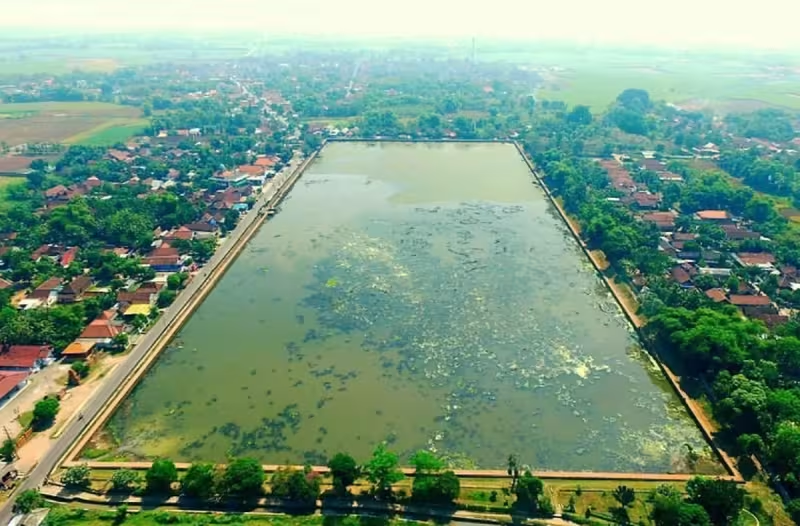
The Majapahit capital contained, among other marvels, the 375x175m water basin now known as the Segaran Pool. Archeological studies suggest the pool acted as the city's primary freshwater reservoir and it is still used (after modern reconstruction) to irrigate adjacent paddy fields.
Additionally, exavations have brought to life dwellings equipped with individual wells and drains and communal reservoirs, ensuring access to clean water and secure disposal of house waste.
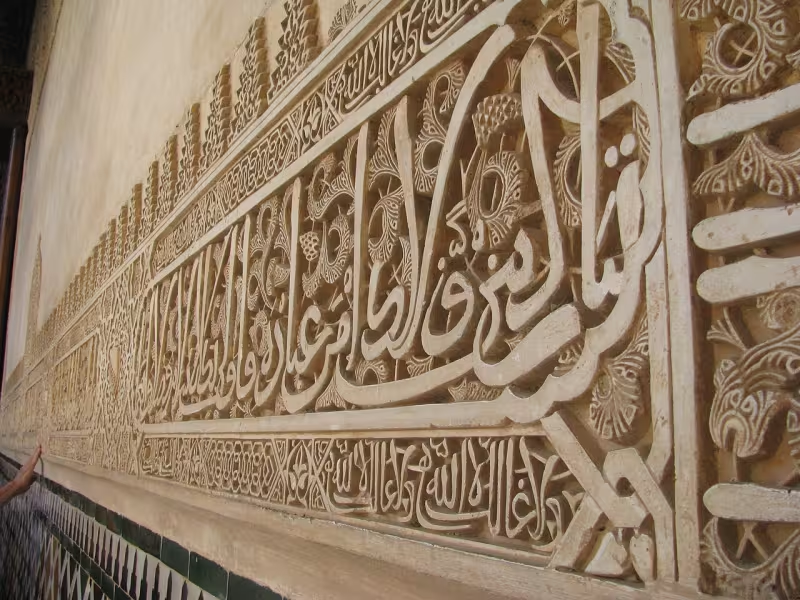
An inscription at the Alhambra, with poetry by Ibn al-Khatib
1313-1374
Emirate of Granada
Ibn al-Khatib
An Arab-Andalusi polymath, in his treaty about the plague, he explored the idea of transmission through contagion, although recommendations about the isolation of infected people had already been documented in an hadith (an account of Islamic oral traditions attributed to the prophet Muhammad).
The bovine pestilence killed 62% of cattle in England and Wales, with repercussions on nutrition and agriculture
1319-1320
England and Wales
The Great Bovine Pestilence
The pathogen behind the pestilence was never formally identified, but this outbreak killed 62% of the bovine stock of England and Wales. This had drastic impacts on human nutrition, due to the drop in available protein (from meat, milk and dairy), but also in agricultural performance, relating to the use of oxen for ploughing.
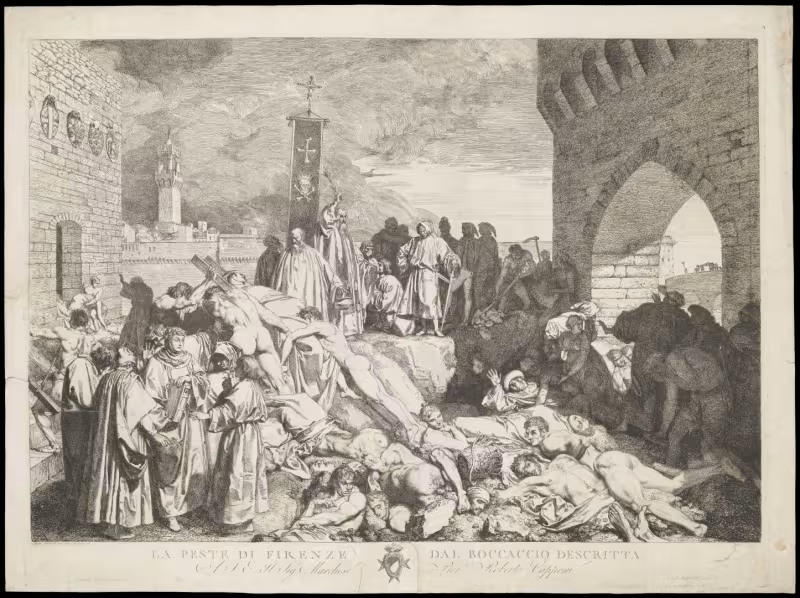
The Black Death as described by Boccaccio, by Luigi Sabatelli
1347-1351 CE
Europe-North Africa-West Asia
The Black Death
Probably history's most famous pandemic and likely the most fatal, leading to the death of nearly 50% of the population of 14th century Europe.
Originating in Crimea, during the siege of Kaffa, when soldiers of the Golden Horde catapulted infected corpses into the city walls (one of history's first examples of biological warfare), the disease the travelled via infected rats across siege lines and onto Genoese traders who then unknowingly carried the disease to Constantinople and then the rest of Europe and North Africa.
Across European historiography, there are several examples of attempts to slow down the spread, mainly related to limiting dumping waste in the streets, such as the quarantine imposed by the Republic of Venice.
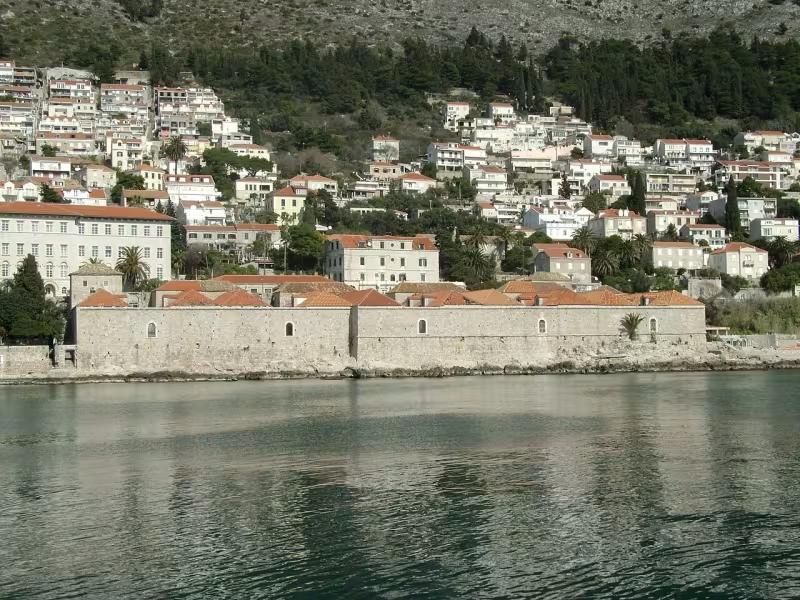
The Lazzarettos of Dubrovnik, at times used as quarantine locations
1377 CE
Dalmatia
The Venetians invent quarantine
The term quarantine comes from the Italian <em>quaranta</em>, meaning forty. This dates back to 1377, when the Venetian Rector of the port city of Ragusa (modern Dubrovnik in Croatia), in the mist of the Black Death, issued orders that all incoming ships and land travellers had to isolate for a period of 40 days prior to entering the city.
According to modern bacteriology, bubonic plague had a 37-day period from infection to death, indicating that the Venetian-style quarantine would have been highly successful in reducing contagion from incoming travellers.
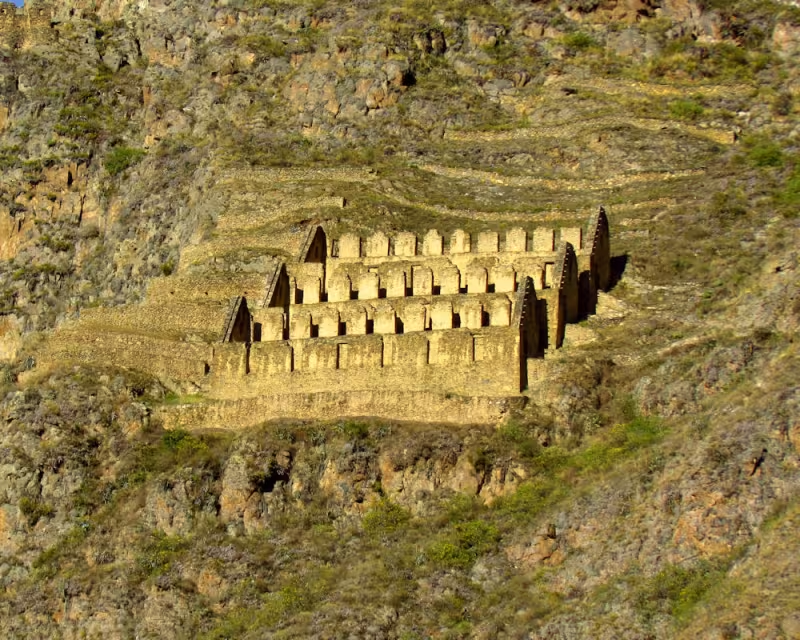
The Incan qullqas were storage buildings found in strategic locations across the Empire. The strategy was to accumulate food and commodities during period of abundance, so that they could be distributed to armies, labourers and the general population in times of need.
The decision to place food stock in decentralised locations demonstrates foresight and strategic operational planning.
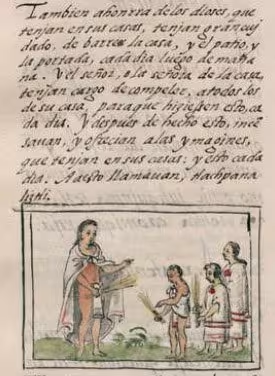
A Nahua man teaches children the importance of sweeping the home
15th century CE
Aztec
Aztec municipal sanitation and public waste recycling
According to texts that have reached us through the Spanish, the Aztecs put enormous value on personal and public cleanliness. Domestic cleaning was a daily ritual and cities were armed with task forces dedicated to cleaning and watering the streets. The acqueducts of Tenochtitlans were engineering masterpieces.
Such dedication to hygiene allowed the Aztec and other mesoamerican civilisations to thrive with relatively low rates of epidemic illnesses, compared to european cities of similar sizes.
Smallpox arrived in central America with Hernán Cortés's expedition, and it caused incalculable damage to the Aztecs, who had no prior exposure or immunity. Recent modelling indicates that among Europeans, smallpox had a case fatality rate of 8-10%. By comparison, it is calculated that 25-50% of Aztecs who contracted smallpox succumbed to it.
Such catastrophic loss of life was pivotal in the weakening of Aztec resistance of European invasion.
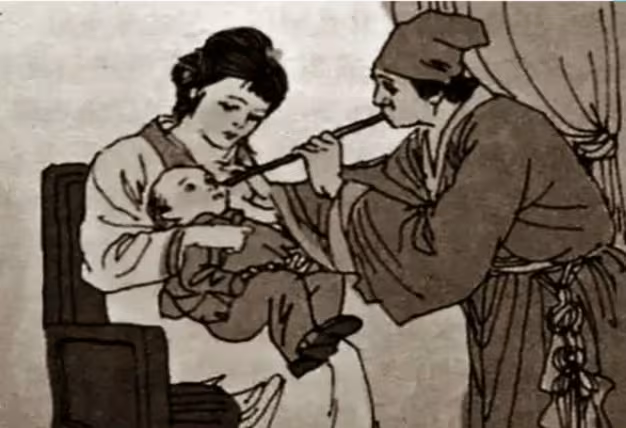
Earlier variolation was done via nasal insufflation
1549 CE
Ming China
The first text on variolation
The 1549 text Douzhen Xinfa (Essential Knowledge and Secrets of Pox Diseases) by physician Wan Quan is the earliest documented description of the process of variolation.
From the text, it becomes apparent how the practice was already well understood, accepted and taught.
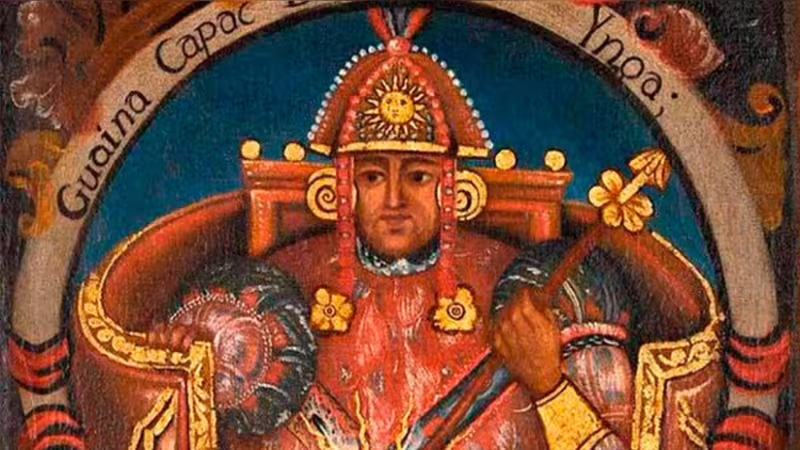
Huayna Capac, the <em>Sapa Inca</em> is thought to have died of smallpox.
16th century CE
Aztec
Epidemic weakens the Incas
Recent archaeological studies have raised the possibility that, rather than smallpox being a deciding factor in the fall of the Inca Empire, it may have actually arrived later than initially thought. Recent genomic investigations confirm that strains of smallpox found on Incan mummies are directly linked to european strains.
Researchers are now theorising that smallpox may have arrived after the conquistadores had already taken over and the demographic collapse caused by forced labour and food insecurity would have created a weakened population, more succeptible to the epidemic.
Smallpox and other factors led to Inca population dropping by 94% within a few years of the conquest.
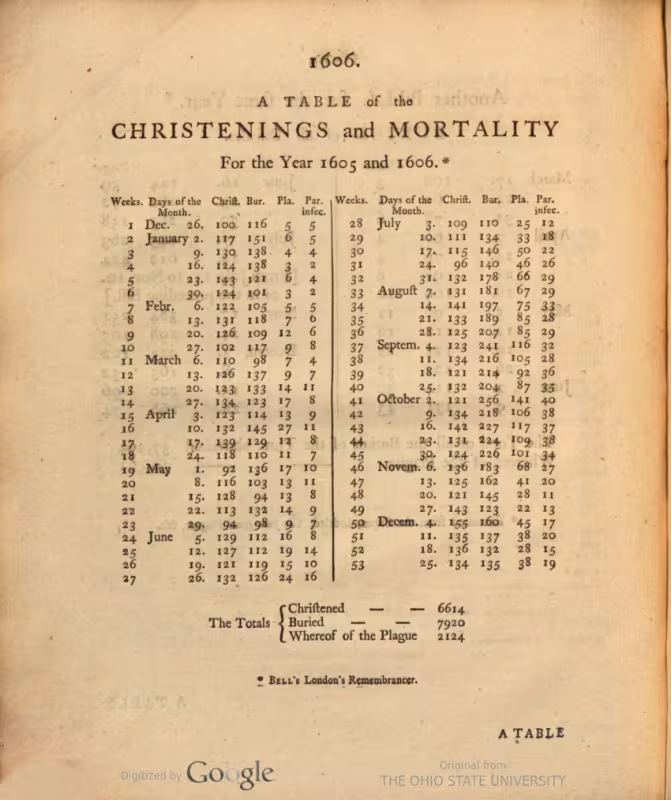
1606 Bill of Mortality, one of the earlier sources of research for John Graunt
1620-1674
England
Demography according to John Graunt
A haberdasher by trade, his professional success earned him significant societal status and in his role as a councilman, he developed an early census method and produced the first life table, calculating survival probability for different age groups.
He can also be considered among the earliest modern epidemiologists, through his investigation of the 1634 surge of deaths relating to rickets.
His efforts won him admission to the Royal Society, an extraordinary achievement for a tradesman.
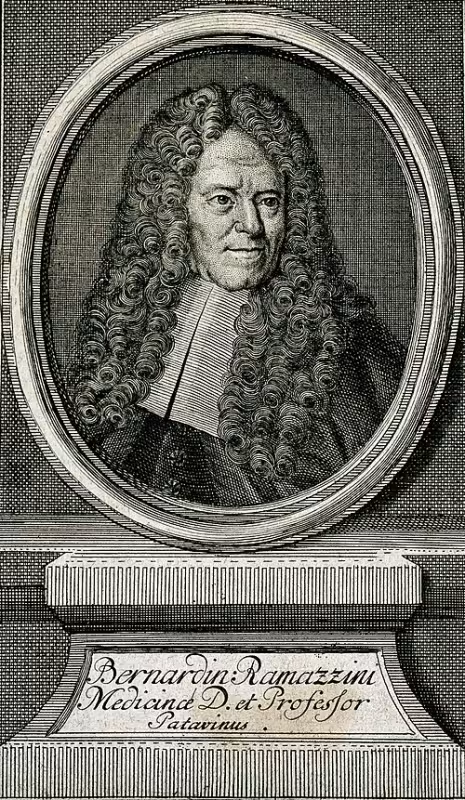
Bernardino Ramazzini, a pioneer of Occupational Medicine
1633-1714
Duchy of Modena
Bernardino Ramazzini and the sordid profit that's accompanied by the destruction of health
A pioneer of modern Occupational Medicine, his book De Morbius Artificum Diatriba (Discourse on the Diseases of Workers) outlined the hazards of exposure to chemicals, dust, metals, repetitive or violent motions, odd postures and other ill-health causing agents encoutnered by workers across more than fifty occupations.
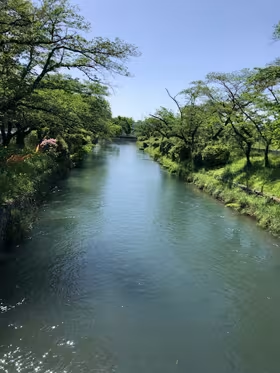
The city of Edo (modern-day Tokyo) was built on reclaimed swamplands chosen for their central geographical location, rather than for their suitability to host what would eventually become on of the world's most populous cities.
The construction of a 43-km Tamagawa Aqueduct only took eight months and subsequent mainenance and improvements ensured that by 1733, Edo's waterways could sustain a population exceeding one million.
Today, parts of the original route still continue to bring water into Tokyo.
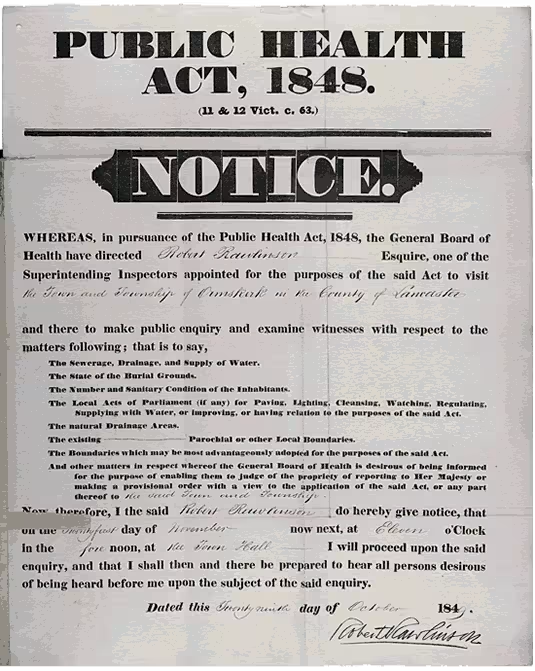
The 1848 Public Health Act was the first step in the United Kingdom towards a systematic, government-led approach to public health
1848
England and Wales
The UK's Public Health Act
The Act carries historical significance for the way it acknowledged the direct relationship between public health and the major issues affecting Britain at the time: poverty, housing, water, sewage, overpopulation and food security. It recognised how a problem affecting the population has a whole has to be the responsibility of the government, and it promoted the establishment of national and local boards of health funded by the Treasury.